

Rollator With Seat
Add a review FollowOverview
-
Founded Date December 23, 1935
-
Sectors Estate Agency
-
Posted Jobs 0
-
Viewed 754
Company Description
11 Methods To Completely Defeat Your Modern Walker
The Modern Walker: Revolutionizing Mobility for All
In the pursuit of flexibility and ease, the modern walker has progressed from a standard mobility aid into an advanced device designed to boost the quality of life for people with limited mobility. Whether due to age, injury, or special needs, the requirement for effective mobility services is universal. This post will look into the characteristics, benefits, advancements, and considerations surrounding modern walkers, in addition to a regularly asked questions (FAQ) area to answer typical queries.
Advancement of Walkers
Conventional Walkers
Standard walkers, frequently constructed from aluminum or steel, normally include a rectangle-shaped frame with 4 legs and no wheels. These fundamental designs supply stability however can be cumbersome, needing users to raise the gadget rather than push it. As a result, their use typically positions undue strain on the upper body and minimizes mobility efficacy.
The Transition to Modern Walkers
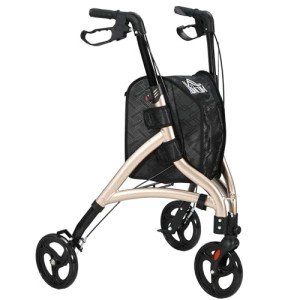
In the past few decades, the design and performance of walkers have actually changed substantially. Modern walkers often consist of functions such as:
- Wheels: Many new designs now integrate wheels on the front legs, enabling users to push rather than raise the device.
- Seats: Some walkers come geared up with a seated area, supplying users with a location to rest when needed.
- Adjustable Heights: Height-adjustable choices make it possible for personalized fit, accommodating private user needs.
- Ergonomic Grips: Improved grip designs boost comfort and support, decreasing stress on hands and wrists.
This evolutionary shift not just supports better mobility but likewise increases self-confidence, self-reliance, and safety for users.
Benefits of Modern Walkers
Modern walkers include a range of benefits for people looking for help in mobility. These benefits transcend mere physical assistance, contributing favorably to psychological and emotional health too.
Increased Mobility and Independence
Modern walkers empower users to navigate their environment more freely. Features such as wheels and lightweight styles help with ease of motion, allowing users to maintain autonomy in day-to-day activities.
Boosted Safety
The incorporation of safety functions in modern walkers plays a vital function in avoiding falls and injuries. Anti-slip grips and larger bases of assistance contribute to stability, therefore assuring users about their safety while walking.
Multi-functionality
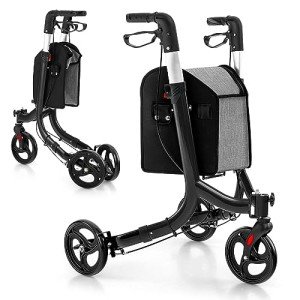
Numerous modern walkers provide multifunctional styles, acting as both a mobility aid and a storage service. With features like built-in bags and trays, users can carry fundamentals and personal items, making getaways with these walkers easier.
Psychological and Emotional Well-being
Improved mobility can greatly affect an individual’s mental health. Less dependence on caregivers and the capability to take part in social interactions can foster a sense of belonging and enhanced spirits.
Features to Consider When Choosing a Modern Walker
When choosing a modern walker, various functions ought to be taken into account to guarantee it meets the user’s requirements optimally. Here, we supply a list of key factors to consider:
- Weight and Material: Opt for lightweight materials that still offer durability and stability.
- Wheels: Decide in between walkers with front wheels or fixed legs based upon the user’s level of mobility.
- Seat Availability: For those who require rest breaks, select a walker with an integrated seat.
- Storage Options: Look for designs that include storage bags or trays for carrying daily basics.
- Height Adjustability: Ensure the walker is height-adjustable to promote appropriate posture and convenience.
- Foldability: A foldable walker can provide ease in transportation and storage.
Common Types of Modern Walkers
The market today uses a range of walker types customized to various requirements. Below are some typical choices:
- Standard Walkers: Basic models without wheels, appropriate for users who require considerable stability.
- Rolling Walkers (Rollators): Feature wheels on all 4 legs and often consist of seats, accommodating those looking for mobility and resting chances.
- Upright Walkers: Designed for users intending to preserve better posture while walking. These devices motivate an upright position, minimizing pressure on the back.
- Transport Walkers: Lightweight and compact; typically designed for brief distances and quicker mobility for caregivers.
| Walker Type | Key Features | Best For |
|---|---|---|
| Requirement Walker | Lightweight, no wheels | Maximum stability |
| Rolling Walker | 4 wheels, frequently a seat | Increased mobility |
| Upright Walker | Promotes upright posture | Neck and back pain reduction |
| Transport Walker | Compact and lightweight | Caregivers and brief distances |
Frequently Asked Questions About Modern Walkers
What is the very best kind of walker for seniors?
The best walker for seniors largely depends upon their physical condition and mobility levels. Lots of choose rolling walkers due to their ease of use, while those with higher stability requirements may gain from basic walkers.
How do I ensure an appropriate fit for my walker?
To ensure an appropriate fit, stand inside the walker with your arms hanging easily at your sides. Your elbows should be a little bent when holding the walker deals with. Adjust the height till it lines up completely.
Can walkers easily be transported?
Yes, numerous modern walkers are developed to fold for easy transportation. Models such as transportation walkers are especially lightweight and compact, making them ideal for travel.
Are walkers covered by insurance?
Numerous insurance strategies, consisting of Medicare and Medicaid, might cover the cost of walkers when prescribed by a health care provider. It is advised to verify coverage details with your insurer.
How can I preserve my modern walker?
Regular checks should be carried out for any loose screws, frame stability, and wheel performance. Clean the walker regularly to maintain hygiene and curb wear.
The modern walker represents a substantial improvement in mobility aids, improving the independence and self-confidence of users. With numerous types, functions, and factors to consider offered, choosing the right walker can greatly improve mobility and general lifestyle. Comprehending these tools empowers users, caretakers, and health care experts alike to cultivate a supportive, active neighborhood for those needing help in mobility. The modern walker is not simply a device; it is a bridge to flexibility and self-reliance.