

Sale On Treadmills
Add a review FollowOverview
-
Founded Date November 23, 2005
-
Sectors Estate Agency
-
Posted Jobs 0
-
Viewed 731
Company Description
New Treadmill: What’s The Only Thing Nobody Has Discussed
The Essential Guide to Buying a New Treadmill: What You Need to Know
As physical fitness lovers continue to seek flexible and reliable ways to maintain their physical health, treadmills remain a staple in home and industrial gyms alike. The innovation and features of treadmills have actually advanced significantly in recent years, making now an outstanding time to consider purchasing a new treadmill. This short article aims to direct prospective buyers through important elements to consider, various types of treadmills offered, and regularly asked questions to guarantee they make an informed option.
Understanding Treadmill Types
Before delving into specific brands, it’s worth comprehending the primary types of treadmills available in the market. This overview will assist individuals figure out which type best fits their physical fitness requirements and budget plan.
1. Manual Treadmills
- Description: These treadmills do not rely on electricity and are powered solely by the user’s motion.
- Pros:
- Generally less costly.
- Compact and light-weight, making them easy to store.
- Cons:
- Limited features compared to motorized treadmills.
- Less ideal for high-intensity workouts.
2. Motorized Treadmills
- Description: These treadmills come geared up with electric motors that facilitate motion and permit adjustable speed settings.
- Pros:
- Offer a vast array of speed and incline options.
- Typically equipped with advanced technology, including workout programs and heart rate monitors.
- Cons:
- More costly and require more upkeep.
- Much heavier, making them challenging to move.
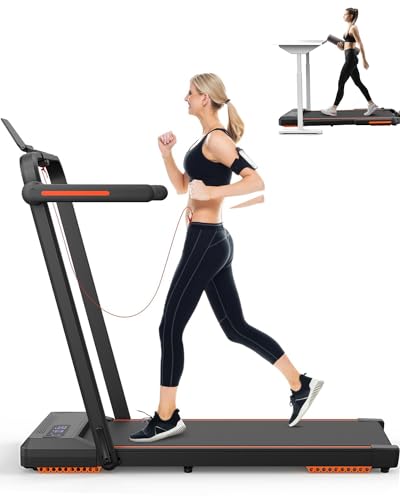
3. Folding Treadmills
- Description: These treadmills can be folded for benefit, making them an outstanding choice for those with limited area.
- Pros:
- Space-saving style.
- Still offers motorized alternatives.
- Cons:
- May compromise some stability and resilience for portability.
4. Industrial Treadmills
- Description: Designed specifically for gyms and physical fitness centers, these treadmills are built with more long lasting products.
- Pros:
- High-quality building and construction and longevity.
- Functions created for extensive usage.
- Cons:
- Generally more costly and bigger in size.
Contrast Table of Treadmill Types
| Treadmill Type | Source of power | Key Features | Price Range | Ideal For |
|---|---|---|---|---|
| Handbook | None | Fundamental functionality | ₤ 100 – ₤ 500 | Newbies, spending plan users |
| Motorized | Electric | Adjustable speed/incline | ₤ 500 – ₤ 3,000 | All fitness levels |
| Folding | Electric | Space-saving features | ₤ 300 – ₤ 1,500 | Restricted area users |
| Commercial | Electric | Durability and efficiency | ₤ 1,500 – ₤ 8,000 | Fitness centers, heavy use |
Key Features to Look For
When acquiring a new treadmill, a number of crucial features should be thought about:
-
Motor Power (HP): A more powerful motor (a minimum of 2.5 HP) is vital for running and for users who prepare to utilize the treadmill routinely.
-
Running Surface: Consider the size of the belt. A longer and wider running surface can accommodate longer strides and supplies much better security.
-
Slope Options: Adjustable slope can include strength to exercises and target various muscle groups.
-
Exercise Programs: Many treadmills use integrated workout programs that can assist users through various exercises and routines.
-
Display Features: A clear display allows users to track their speed, distance, calories burned, and heart rate more quickly.
-
Cushioning: Adequate shock absorption can lower the threat of injury and offer a more comfortable running experience.
-
Innovation Integration: Features like Bluetooth connection, mobile app integration, and integrated speakers can improve the workout experience.
Often Asked Questions (FAQs)
Q1: How much should I budget plan for a treadmill?
A: Budget can vary based upon features and quality. Manual treadmills begin around ₤ 100, while motorized models can range from ₤ 500 to ₤ 3,000, depending on advanced features.
Q2: How frequently should I maintain my treadmill?
A: Regular upkeep, including lubing the belt and examining the motor, must be done monthly. Inspect the treadmill for wear and tear often.
Q3: Can I slim down with a treadmill?
A: Yes, regular usage of the treadmill, combined with a healthy diet, can assist with weight loss. Including interval training increases intensity and calorie burn.
Q4: Is it better to operate on a treadmill or outdoors?
A: Both have benefits. Treadmills offer a regulated environment and cushioning, while outside running offers varied surroundings and natural inclines.
Q5: Do I need special shoes for utilizing a treadmill?
A: While particular treadmill shoes aren’t needed, wearing good-quality running shoes developed for support, cushioning, and stability is advisable.
Buying a new treadmill can considerably impact one’s fitness journey, providing opportunities to work out in your home no matter climate condition. By comprehending the types of treadmills offered and considering essential features, individuals can select a design that fits their way of life and fitness objectives. Whether intending for casual walks or extreme running sessions, the ideal treadmill can change workout routines, making them more pleasurable and effective. With the rise in innovation and ingenious designs, the Treadmill Small remains a timeless and valuable tool in personal fitness.