

Autonomous Vacuum
Add a review FollowOverview
-
Founded Date August 7, 1997
-
Sectors Banking
-
Posted Jobs 0
-
Viewed 826
Company Description
What’s The Job Market For Good Robot Vacuum Cleaner Professionals Like?
The Silent Housekeeper: Finding the Right Robot Vacuum Cleaner for a Spotless Home
In today’s hectic world, time is a valuable commodity. Household tasks, while necessary, often are up to the bottom of the concern list. Get in the robot vacuum cleaner— a marvel of modern-day convenience developed to recover your time and keep a tidy home with minimal effort. No longer a futuristic dream, robot vacuums have actually ended up being progressively advanced, effective, and accessible, transforming the way we approach floor cleaning.
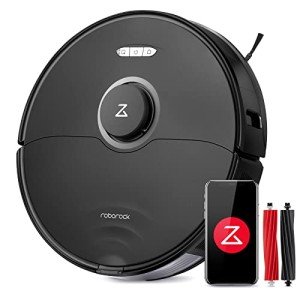
However with a wide variety of models flooding the marketplace, navigating the world of robot vacuums can feel frustrating. What functions genuinely matter? How do you pick one that suits your particular requirements and home? This article will look into the key elements of choosing a “great” robot vacuum, equipping you with the knowledge to make an informed choice and invite a quiet, effective housekeeper into your home.
What Defines a “Good” Robot Vacuum Cleaner?
The definition of a “excellent” robot vacuum extends beyond mere suction power. It incorporates a combination of elements that add to efficient cleaning, ease of usage, and long-term value. Here are the essential elements to consider:
1. Navigation and Mapping Prowess:
A robot vacuum’s ability to navigate your home wisely dictates its cleaning efficiency and coverage. There are several navigation technologies employed, each with its own strengths:
- Random Navigation: These entry-level designs relocate a relatively random pattern, bouncing off challenges until the battery runs low. While budget-friendly, they can be less efficient, missing spots or cleaning locations several times.
- Systematic Navigation (Row-by-Row/Zig-Zag): These robots tidy in straight, parallel lines, making sure more methodical coverage. They are normally more effective than random navigation designs.
- Smart Mapping with SLAM (Simultaneous Localization and Mapping): This innovative technology, often using LiDAR (Light Detection and Ranging) or camera-based systems, enables the robot to develop a detailed map of your home. This map makes it possible for:
- Efficient Path Planning: Optimized cleaning paths for faster and more complete coverage.
- Zoned Cleaning: Target specific spaces or locations for cleaning directly from an app.
- Virtual Walls and No-Go Zones: Define borders to avoid the robot from getting in specific areas, like delicate rugs or pet bowls.
- Multi-Floor Mapping: Some advanced models can store maps of multiple floors, perfect for multi-story homes.
2. Suction Power and Cleaning Performance:
The main function of a robot vacuum is, of course, cleaning. Suction power is a key indication of its ability to lift dirt, dust, and debris from different floor types.
- Floor Type Matters: Homes with mostly hard floorings (wood, tile, laminate) might not require the most effective suction, while homes with carpets and rugs will take advantage of higher suction to effectively draw out dirt and pet hair embedded in the fibers.
- Brush Roll Design: The brush roll underneath the robot plays a crucial role in agitating dirt and guiding it towards the suction nozzle. Various brush roll styles are enhanced for different floor types. Some feature bristles for carpets, while others utilize rubber blades or a mix for tough floorings and pet hair management.
- Specialized Features: Look for features like “carpet boost,” where the robot instantly increases suction when it detects carpet, and edge cleaning modes, making use of side brushes to efficiently tidy along walls and baseboards.
3. Battery Life robotic hoover and mop Coverage Area:
Battery life dictates how long your robot vacuum can clean on a single charge and, subsequently, the size of the area it can cover.
- Consider Your Home Size: Larger homes will require robots with longer battery life. Some models can run for 90-120 minutes or more, while others might offer 60 minutes or less.
- Auto-Recharge and Resume: Many robot vacuums include auto-recharge. When the battery is low, they instantly go back to their charging dock, recharge, and after that resume cleaning from where they left off. This is especially beneficial for bigger homes.
4. Smart Features and Convenience:
Modern robot vacuums typically come geared up with a variety of smart functions that improve their functionality and user experience:
- App Control: Most smart robot vacuums can be controlled through a smartphone app, enabling you to:
- Start, stop, and time out cleaning cycles from another location.
- Arrange cleaning times.
- Monitor cleaning development and battery status.
- Access maps, set zones, and virtual walls (for mapping designs).
- Change suction power and cleaning modes.
- Voice Control Integration: Compatibility with voice assistants like Amazon Alexa or Google Assistant enables hands-free control through voice commands.
- Mopping Functionality: Some robot vacuums are hybrid devices, including a mopping function. These often include a water tank and a mopping pad that drags behind the vacuum, damp-mopping difficult floorings.
- Challenge Avoidance: Advanced designs make use of sensors to spot and prevent barriers like furnishings legs, pet bowls, and cable televisions, decreasing the possibilities of getting stuck or bumping into things.
- Dustbin Capacity and Ease of Emptying: A bigger dustbin decreases the frequency of emptying. Think about the ease of removing and clearing the dustbin – some are simpler and less messy than others.
- Filtration System: HEPA filters are beneficial for allergic reaction victims, as they trap fine dust particles and irritants.
- Noise Level: Robot vacuums differ in noise levels. If noise sensitivity is an issue, try to find models that are advertised as quieter.
Choosing the Right Robot Vacuum for Your Needs:
Selecting the ideal robot vacuum depends on your specific home environment and cleaning concerns. Consider these factors:
- Your Floor Type:
- Predominantly Hard Floors: Focus on models with effective methodical navigation, Good robot vacuum Cleaner suction, and think about a vacuum-mop hybrid for included floor cleaning abilities.
- Carpets and Rugs: Prioritize high suction power, a brush roll created for carpets, and potentially features like carpet boost.
- Blended Flooring: Look for flexible models that perform well on both difficult floors and carpets, ideally with automatic floor type detection and suction change.
- Home Size and Layout:
- Apartments or Small Homes: A fundamental model with random or systematic navigation and basic battery life may be enough.
- Larger Homes or Multi-Level Homes: Invest in a robot with smart mapping, long battery life, auto-recharge and resume, and possibly multi-floor mapping abilities. Consider having multiple robotics for different floors or manually moving one robot between levels.
- Pet Owners: Pet hair is a typical cleaning obstacle. Search for robot vacuums particularly created for pet owners, identified by:
- Strong Suction: To effectively choose up pet hair and dander.
- Tangle-Free Brush Rolls: To reduce hair cover and maintain cleaning performance.
- Larger Dustbins: Pet hair can rapidly fill dustbins.
- HEPA Filters: To trap pet dander and allergens.
- Budget plan: Robot vacuum prices range substantially. Develop your budget plan and focus on functions based upon your requirements.
- Entry-Level: Basic cleaning performance, random or organized navigation, ideal for smaller sized areas.
- Mid-Range: Improved navigation, stronger suction, more smart functions, great balance of performance and rate.
- High-End: Advanced navigation (LiDAR mapping), premium functions, exceptional cleaning efficiency, typically with self-emptying dustbins and more sophisticated app control.
Leading Robot Vacuum Brands to Consider:
While countless brand names exist, some regularly get high scores and are known for their quality and performance. Reliable brand names include:
- iRobot Roomba: A leader in the robot vacuum market, understood for dependability and a large range of designs dealing with different budgets and needs.
- Shark: Focuses on effective suction and innovative brush roll styles, often standing out in pet hair elimination.
- Eufy (by Anker): Offers a balance of functions and affordability, offering excellent value for money.
- Roborock: Known for advanced innovation, particularly LiDAR navigation and extensive app features, frequently using high efficiency at competitive prices.
- Samsung: Integrates smart home technology and stylish styles, with models providing excellent performance and features.
- Ecovacs: Provides a variety of designs, consisting of those with innovative mopping capabilities and barrier avoidance.
Maintaining Your Robot Vacuum:
To guarantee your robot vacuum operates efficiently and lasts longer, regular maintenance is essential:
- Empty the Dustbin Regularly: Ideally after each cleaning cycle or as needed.
- Tidy the Brush Roll and Side Brushes: Remove hair and particles that can get tangled around the brushes.
- Clean or Replace Filters: Follow maker suggestions for filter upkeep.
- Wipe Sensors Clean: Dust and particles can block sensors, affecting navigation.
- Look for Obstructions: Periodically examine wheels and moving parts for any obstructions.
Conclusion:
A good robot vacuum is more than just a gadget; it’s a financial investment in time-saving convenience and a cleaner, healthier home. By understanding the essential functions, considering your particular needs and home environment, and doing a little research study, you can confidently choose a robot vacuum that will become your trusted silent housekeeping partner, freeing you to concentrate on what matters most. Let your robot vacuum take care of the floorings, so you can reclaim your time.
Frequently Asked Questions (FAQs) about Robot Vacuum Cleaners:
Q1: Are robot hoover uk vacuum cleaners worth the financial investment?
A: For lots of, yes. Robot vacuums provide significant convenience by automating a repetitive task. They are exceptional for day-to-day upkeep cleaning, keeping floors regularly tidier and minimizing the requirement for frequent manual vacuuming.
Q2: How frequently should I run my robot vacuum?
A: It depends upon your requirements and way of life. Daily cleaning is perfect for high-traffic locations or homes with pets. For less busy homes, running it a few times a week may suffice. Scheduling is a fantastic feature to automate this procedure.
Q3: Can a robot vacuum totally replace a conventional vacuum cleaner?
A: While robot vacuums are excellent for everyday surface area cleaning, they may not entirely replace a conventional vacuum cleaner for deep cleaning tasks, reaching tight corners, or cleaning upholstery. They are best robotic hoover considered as an enhance to, rather than a complete replacement for, traditional vacuuming.
Q4: Do robot vacuums work well on dark carpets?
A: Some older or less sophisticated robot vacuums can have trouble detecting dark carpets, in some cases misinterpreting them for ledges and avoiding them. Nevertheless, numerous modern-day models are developed to browse dark surfaces effectively. Examine product specs and evaluations if you have dark carpets.
Q5: How long do robot vacuum cleaners typically last?
A: The lifespan of a robot vacuum depends upon elements like brand quality, frequency of usage, and maintenance. Usually, a properly maintained robot vacuum can last for a number of years, generally ranging from 3 to 7 years. Battery life might break down in time and need replacement eventually.