
Buying A Mobility Scooter
Add a review FollowOverview
-
Founded Date November 30, 1926
-
Sectors Estate Agency
-
Posted Jobs 0
-
Viewed 620
Company Description
Here’s A Little-Known Fact Concerning Mobility Scooters
Mobility Scooters for Sale: A Comprehensive Guide
For individuals with mobility issues, the shift to a mobility scooter can considerably boost their lifestyle, supplying independence, convenience, and a sense of normalcy. This comprehensive guide explores the world of mobility scooters, providing insights into the different types available, key features to think about, and where to find the best offers. Whether you are a novice purchaser or seeking to update, this post will assist you make an informed choice.
Understanding Mobility Scooters
Mobility scooters are motorized automobiles developed to assist individuals who have problem walking due to various health conditions, such as arthritis, numerous sclerosis, or basic mobility disabilities. These scooters are geared up with a comfy seat, a guiding system, and an electric motor, permitting users to travel short to moderate ranges with ease. They are especially helpful for browsing both indoor and outside environments, such as supermarket, parks, and public spaces.
Kinds Of Mobility Scooters
-
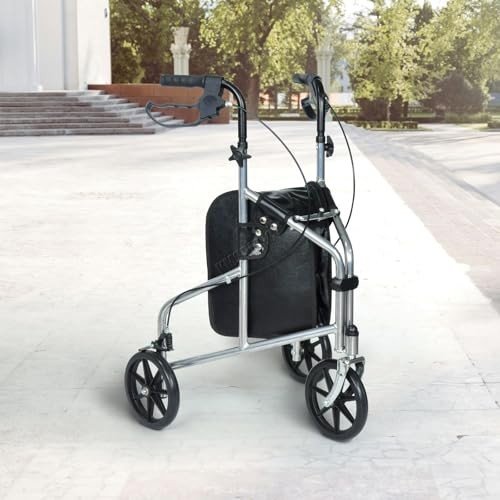
Three-Wheel Scooters
- Pros: More maneuverable, lighter, and easier to keep.
- Cons: Less stable on rough terrain.
- Best For: Indoor use, tight areas, and users who prioritize agility.
-
Four-Wheel Scooters
- Pros: More steady, much better for outside use, and efficient in managing rough terrain.
- Cons: Heavier and less maneuverable.
- Best For: Outdoor use, irregular surfaces, and users who prioritize stability.
-
Travel Scooters
- Pros: Portable and easy to take apart for transport.
- Cons: May have limited range and speed.
- Best For: Users who take a trip frequently or reside in apartments.
-
Heavy Duty Scooters
- Pros: Built to support higher weight capacities and more robust usage.
- Cons: Larger and heavier, making them less portable.
- Best For: Users with higher body weights or those who need a more resilient alternative.
-
Standing Scooters
- Pros: Provide an alternative to sitting, which can be useful for those who experience discomfort from extended sitting.
- Cons: May not be suitable for fars away or extended use.
- Best For: Users who prefer standing however still require support.
Key Features to Consider
When looking for a mobility scooter, several functions need to be considered to guarantee it meets your specific requirements:
-
Battery Life and Range
- Range: How far the scooter can take a trip on a single charge.
- Battery Type: Lithium-ion batteries are normally more efficient and longer-lasting than lead-acid batteries.
-
Speed
- Indoor Speed: Typically lower, around 4-6 miles per hour.
- Outside Speed: Can be higher, approximately 10-15 mph, depending upon the model.
-
Weight Capacity
- Basic: 250-300 pounds.
- Strong: 400-500 pounds or more.
-
Turning Radius
- Essential for: Navigating tight spaces and corners.
- Three-Wheel Scooters: Generally have a smaller turning radius.
-
Seating and Comfort
- Adjustable Seat: Ensure the seat is comfortable and can be gotten used to your height and weight.
- Cushioning: Look for scooters with cushioned seats and back-rests for added comfort.
-
Mobility
- Travel Scooters: Designed to be taken apart for easy transportation.
- Lightweight Models: Easier to walk around and store.
-
Security Features
- Brakes: Ensure the scooter has reliable braking systems.
- Lights and Reflectors: Important for exposure, especially in low-light conditions.
- Horn: Useful for alerting others when essential.
-
Controls
- Alleviate of Use: Look for user-friendly controls that are simple to run.
- Adjustable Handlebars: Ensure a comfy grip and reach.
-
Storage and Accessories
- Baskets or Compartments: Useful for bring groceries or personal items.
- Cup Holders: Convenient for keeping beverages within reach.
Where to Buy Mobility Scooters
-
Online Retailers
- Amazon: Offers a large range of mobility scooters from different brands.
- Ebay: Known for competitive prices and a range of used and new scooters.
- Wayfair: Provides a selection of mobility scooters in addition to home health and mobility aids.
-
Specialized Mobility Stores
- Regional Mobility Dealers: Often use individualized service, funding choices, and service warranty assistance.
- National Chains: Such as The Mobility Store and Pulse Mobility, which have a vast array of items and services.
-
Medical Supply Stores
- In-Store and Online: Many medical supply stores provide mobility scooters and associated accessories.
- Insurance coverage Coverage: Some stores can help you navigate insurance options to cover part of the expense.
-
Neighborhood Resources
- Local Disability Services: May have information on leasing programs or discounts.
- Senior Centers: Sometimes offer mobility scooters for sale or leasing.
FAQs
Q: Are mobility scooters covered by insurance?A: Some insurance coverage strategies, consisting of Medicare, might cover the expense of a mobility scooter under particular conditions. It’s important to talk to your insurance service provider to understand what is covered and any required documents.
Q: How do I maintain my mobility scooter?A: Regular maintenance is crucial to keep your scooter running smoothly. This includes:
- Charging the Battery: Follow the producer’s guidelines for charging.
- Inspecting Tires: Ensure tires are properly inflated and in good condition.
- Oiling Moving Parts: Periodically lubricate the chain and other moving parts.
- Cleaning up: Keep the scooter clean and dry to avoid rust and wear.
Q: What are the legal requirements for utilizing a mobility scooter?A: Legal requirements differ by area. Typically, mobility scooters are categorized as mobility aids and do not need a license to run. Nevertheless, it’s crucial to:
- Check Local Regulations: Some areas may have particular guidelines relating to where and how mobility scooters can be used.
- Register the Scooter: In some regions, registration may be needed, especially if the scooter is used on public roads.
Q: How do I choose the best mobility scooter for my needs?A: Consider the following:
- Intended Use: Will you be using the scooter primarily inside your home, outdoors, or both?
- Weight and Height: Ensure the scooter can support your weight and is adjustable to your height.
- Mobility Level: Choose a scooter that matches your level of mobility and any physical limitations.
- Budget: Determine just how much you want to invest and search for designs that use the best value.
Q: Are there any security suggestions for utilizing a mobility scooter?A: Yes, here are some security suggestions:

- Wear a Helmet: Especially if you are using the scooter on public roads.
- Usage Reflective Gear: Increase exposure during low-light conditions.
- Follow Traffic Rules: Obey traffic signals and signs, and use designated paths when offered.
- Routine Check-ups: Have your scooter examined and maintained by a professional routinely.
Choosing the best mobility scooter can be a life-altering choice, using the liberty and self-reliance to navigate the world with ease. By understanding the different kinds of scooters, essential features, and where to buy mobility Scooters, you can make an informed option that best fits your needs. Whether you are browsing the aisles of your regional supermarket or taking pleasure in a picturesque park, a mobility scooter can enhance your every day life and provide the support you require.
Extra Resources
- Consumer Reports: Offers detailed reviews and comparisons of different mobility scooters.
- National Mobility Equipment Dealers Association (NMEDA): Provides resources and information on mobility devices and dealers.
- Disability Rights Organizations: Can provide guidance and assistance for individuals with mobility problems.
By taking the time to research study and think about all your choices, you can discover the ideal mobility scooter to assist you live your best life.