

Fascia And Soffit
Add a review FollowOverview
-
Founded Date April 16, 1938
-
Sectors Banking
-
Posted Jobs 0
-
Viewed 793
Company Description
How The 10 Worst Eaves Repair Fails Of All Time Could Have Been Prevented
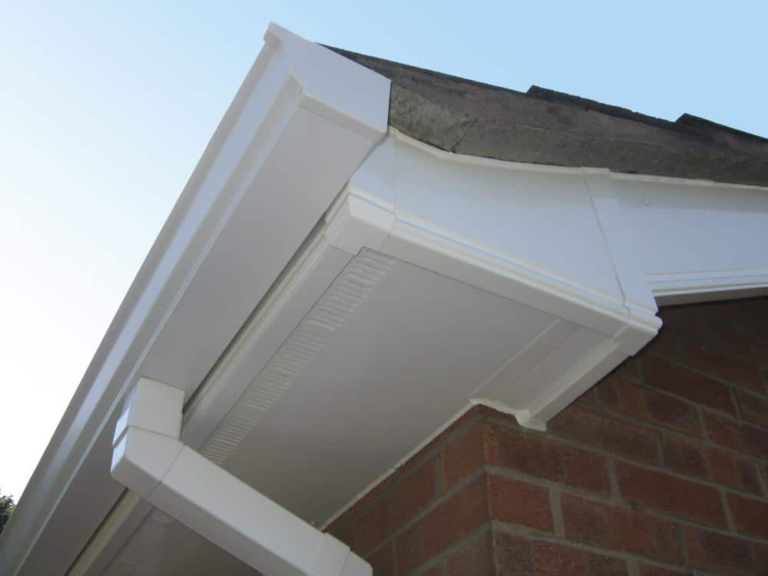
Comprehensive Guide to Eaves Repair
Eaves play an important function in securing homes from weather elements, directing water runoff, and enhancing aesthetic appeal. Due to their popular position, they are often exposed to the components, causing conditions that require repairs. This article outlines the value of eaves, typical problems that arise worrying them, techniques for conducting repairs, and tips for maintenance.
Value of Eaves
Eaves are the edges of the roofing that cross the walls of a structure. Their primary functions consist of:
- Water Management: They direct rainwater far from the structure and prevent flooding.
- Protection from Weather Elements: Help avoid water infiltration, snow, and ice accumulation.
- Energy Efficiency: Properly developed eaves can reduce cooling and heating expenses by managing sunshine getting in through windows.
- Visual Appeal: They enhance the architectural design of a structure, including character and design.
Common Issues with Eaves
Eaves can face numerous problems due to their exposure to the elements. Here are a few of the most regular issues:
| Problem | Description |
|---|---|
| Damage from Water | Disintegration, rot, or mold caused by inadequate drainage. |
| Bug Infestations | Birds, pests, and rodents might discover shelter in eaves. |
| Structural Damage | Deformed or split eaves can compromise roof stability. |
| Missing/incomplete | Missing out on shingles or panels can expose the interior. |
| Cracks and Gaps | Enable water penetration and bug entry. |
Eaves Repair Methods
Fixing damaged eaves needs differing approaches depending on the issue’s intensity. Here’s a structured method to eaves repair:
1. Evaluate the Damage
Before continuing with any repairs, performing an extensive examination is essential. Search for:
- Visible damage to the eaves.
- Signs of water damage on walls and structures.
- Pest invasions or nesting.
2. Gather Necessary Materials
Depending on the repair requires, the following products might be required:
- Ladder
- Safety equipment (gloves, goggles, mask)
- Replacement materials (shingles, wood, etc)
- Caulk or sealant
- Paint (for aesthetic appeals)
3. Conduct the Repairs
The following are steps for common repairs:
-
Replacing Damaged Sections:
- Cut away harmed parts of the eaves.
- Step and cut replacement pieces to fit.
- Attach the new sections utilizing nails or screws.
-
Sealing Cracks and Gaps:
- Use caulk or sealant to fill spaces.
- Guarantee the location is clean and dry before applying the sealant for effective adhesion.
-
Reinforcing the Structure:
- If structural elements are damaged, think about adding support brackets or changing larger areas of wood.
4. End up with Painting
After repairs, re-paint the eaves to protect the materials from further wear and tear and match them with the home’s outside.
Preventive Maintenance Tips
To prolong the life-span of eaves and prevent extensive repairs, Soffit Replacements routine maintenance is needed. Here are some proactive procedures house owners can take:
- Regular Inspections: Conduct examinations at least two times a year to recognize any emerging issues early.
- Tidy Gutters: Ensure seamless gutters are without debris to help with correct water circulation.
- Trim Overhanging Branches: Prevent leaves and branches from building up and triggering water backups or damage.
- Pest Control: Regularly check for and remove insect problems.
- Repaint Every Few Years: Protect wooden eaves by repainting or staining as needed.
When to Call a Professional
While many homeowners can handle small repairs, some scenarios necessitate professional support. Think about working with a professional if:
- The repair involves comprehensive structural damage.
- There are safety concerns, specifically when handling heights.
- Inadequate experience in repairs causes unpredictability about correct strategies.
Often Asked Questions (FAQs)
Q1: How frequently should I inspect my eaves?
A: It is suggested to inspect eaves at least twice a year, preferably in spring and fall, to determine possible problems.
Q2: What are the signs that my eaves need repair?
A: Signs consist of noticeable damage like fractures, sagging, peeling paint, water stains, and pest invasions.
Q3: Can I repair my eaves myself?
A: Many minor repairs can be done by house owners, but it’s essential to evaluate skill levels. For significant repairs, employing a professional is advisable.
Q4: How do I avoid eaves from becoming harmed?
A: Regular maintenance, consisting of cleaning rain gutters, examining for damage, and securing versus bugs, can assist avoid eaves from deteriorating.
Q5: Are eaves repairs covered by house owners insurance coverage?
A: Coverage can differ by policy. It’s necessary to talk to your insurance coverage supplier regarding particular circumstances and coverage types.
Eaves play a vital role in a home’s structural integrity and aesthetic appeal. Fixing and keeping them is vital for protecting their functionality and extending their life-span. With routine inspections and proactive care, property owners can avoid minor problems from intensifying into more extreme issues. Whether choosing DIY repairs or employing a professional, understanding eaves and their maintenance requires ensures a safe, effective, and gorgeous living environment.