
Körkort Online För Körning I Sverige
Add a review FollowOverview
-
Founded Date April 4, 1977
-
Sectors Estate Agency
-
Posted Jobs 0
-
Viewed 785
Company Description
Why We Love Buy A1 Driving License (And You Should Too!)
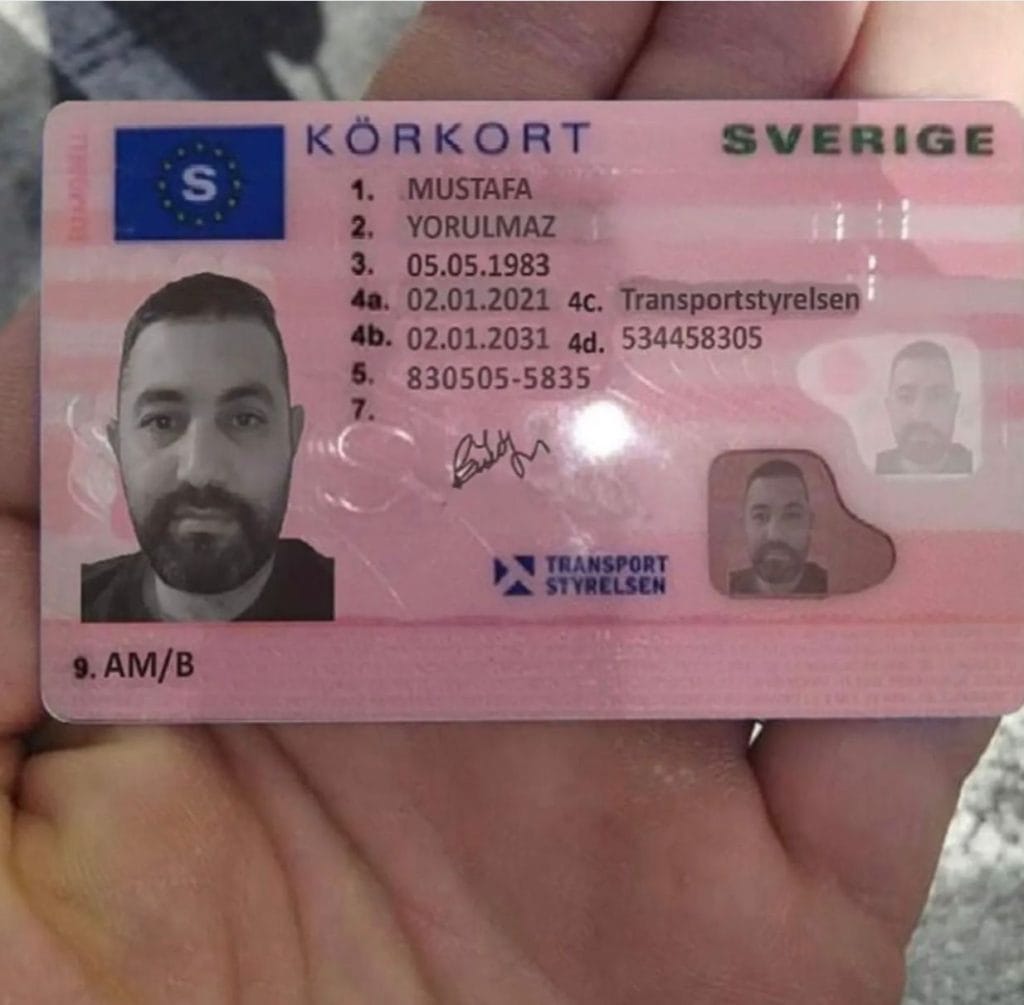
The Comprehensive Guide to Legally Obtaining a Driving License
Driving is a basic ability for many, providing the freedom to take a trip where and when you want, often making life more convenient and satisfying. Nevertheless, getting a driving license is a process that needs understanding, perseverance, and adherence to legal treatments. This guide aims to provide an in-depth summary of the actions one need to follow to legally acquire a driving license, highlighting important factors to consider and regularly asked questions to make sure a smooth and problem-free experience.
Comprehending the Basics
Before diving into the application procedure, it’s important to comprehend the basic requirements and types of driving licenses available. Driving laws differ significantly from nation to country, and even within different states or provinces within the very same nation. Generally, there are a number of types of driving licenses, consisting of:
- Learner’s Permit: This is frequently the first step while doing so, permitting new chauffeurs to acquire experience under guidance.
- Provisionary License: Issued after passing a basic driving test, this license normally features constraints and is a stepping stone to a complete license.
- Full Driver’s License: Once all the essential requirements are satisfied, motorists can obtain a complete license, which provides total driving advantages.
- Business Driver’s License (CDL): Required for those who wish to run industrial cars, such as trucks or buses.
Actions to Obtain a Driving License
1. Research Study Local Driving Laws
The primary step in getting a driving license is to look into the particular requirements in your area. Go to the official site of your local Department of Motor Vehicles (DMV) or equivalent company to discover comprehensive details about the licensing process, consisting of age restrictions, required files, and charges.
2. Prepare Required Documentation
Each jurisdiction has its own set of files that should be sent to look for a driving license. Typically needed documents consist of:
- Proof of Identity: A passport, birth certificate, or state-issued ID.
- Evidence of Residency: Utility bills, lease agreements, or other official files that validate your address.
- Social Security Number (if relevant): In some countries, a social security number or equivalent is needed for recognition.
- Vision Test Results: Some places need a vision test before releasing a learner’s permit or license.
3. Take a Driver’s Education Course
Many states and nations need new motorists to complete a driver’s education course. These courses are designed to teach the rules of the roadway, traffic laws, and safe driving practices. They can be completed online or in a classroom setting and KöRkort Utan Att Ta KöRkort – Https://Osclass-Classifieds.A2Hosted.Com/, often consist of both theoretical and useful parts.
4. Use for a Learner’s Permit
When the needed documentation is prepared and the driver’s education course is completed, the next step is to apply for a learner’s authorization. This generally includes visiting the DMV or sending an application online. You will likewise require to pass a written test that covers traffic laws and driving understanding.
5. Practice Driving
With a learner’s permit, you can begin practicing driving under the supervision of a licensed adult. This is an important action in developing your confidence and skills behind the wheel. It’s also crucial to acquire experience in different driving conditions, such as night driving, highway driving, and driving in harsh weather.
6. Schedule and Pass the Driving Test
After acquiring enough driving experience, you can set up a driving test with the DMV. The test will examine your ability to securely operate a lorry and follow traffic laws. You will require to bring a correctly signed up and insured car to the test, and the inspector will assess your driving abilities on a fixed path.
7. Make an application for a Provisional License
If you pass the driving test, you will usually get a provisional license. This license may feature limitations, such as a curfew or a limitation on the number of travelers you can have in the automobile. These limitations are developed to lower the risk of mishaps and assist new chauffeurs adapt to the roadway.
8. Upgrade to a Full License
When you have actually held a provisional license for the required period and satisfied any additional requirements, you can upgrade to a complete driver’s license. This procedure typically involves an easy application and may require a retest or additional documentation.
Tips for a Successful Application
- Start Early: Begin the procedure as quickly as you meet the age requirement to provide yourself sufficient time to prepare.
- Stay Informed: Keep up-to-date with any changes in driving laws or DMV procedures.
- Practice Regularly: Consistent practice is crucial to developing self-confidence and enhancing your driving skills.
- Stay Calm During the Test: Anxiety can affect your efficiency, so take deep breaths and remain focused.
- Follow DMV Instructions: Pay very close attention to the directions offered by the DMV and the examiner during your test.
Frequently Asked Questions (FAQs)
Q: What is the minimum age to apply for a student’s permit?
A: The minimum age differs by jurisdiction. In the United States, it usually ranges from 15 to 16 years of ages. In the UK, the minimum age is 17. Inspect your local DMV site for particular information.
Q: Can I request a driver’s license online?
A: Some jurisdictions permit you to finish parts of the application process online, such as submitting types and scheduling tests. Nevertheless, you will normally need to check out a DMV workplace face to face to submit needed files and take the driving test.
Q: What occurs if I fail the driving test?
A: If you stop working the driving test, you can generally retake it after a particular duration. This duration varies by area, however it is frequently a few weeks. It’s an excellent idea to practice more before retaking the test to improve your opportunities of success.
Q: Can I drive alone with a student’s permit?
A: No, a student’s license typically needs you to be accompanied by a certified adult, usually over 21 years of ages, who is seated in the front traveler seat.
Q: Is a vision test required to get a driving license?
A: Yes, many jurisdictions require a vision test to make sure that you can safely run a lorry. You can normally take this test at the DMV or with an authorized optometrist.
Q: How long does it take to get a complete driver’s license?
A: The time required to obtain a complete driver’s license varies depending upon your jurisdiction and the specific actions included. Typically, it can take numerous months, including the time needed to complete a driver’s education course, hold a student’s license, and pass the driving test.
Q: Can I utilize a provisional license to drive for work?
A: It depends upon the limitations put on your provisionary license. Some provisional licenses permit you to drive for work, while others might have specific limitations. Examine your license for details or get in touch with the DMV for clarification.
Q: What is the difference between a learner’s authorization and a provisional license?
A: A student’s license is the first phase of the licensing process and permits you to drive only under supervision. A provisionary license, on the other hand, grants you more driving benefits however might still have some constraints, such as a curfew or passenger limits.
Q: Can I request a business driver’s license (CDL) without a complete driver’s license?
A: No, you normally require a full driver’s license before looking for a CDL. A CDL is a customized license that needs additional training and testing, and it is just provided to those who have demonstrated the ability to safely operate a basic lorry.
Q: What should I do if I lose my driving license?
A: If you lose your driving license, you need to report it to the DMV and make an application for a replacement. You may need to offer proof of identity and pay a charge. It’s also a great concept to notify your insurance provider and any other relevant celebrations.
Getting a driving license is a significant turning point that opens up new opportunities and increases self-reliance. By following the steps outlined in this guide and staying notified about regional laws and requirements, you can guarantee a smoother and more effective licensing procedure. Keep in mind that driving is a serious obligation, and making the effort to find out and practice is vital for your security and the safety of others on the roadway.